Article
Access to Health Services for Construction Workers and Their Children
A Priority for Thailand’s Construction Sector
Available in /สามารถดูเป็นภาษา:
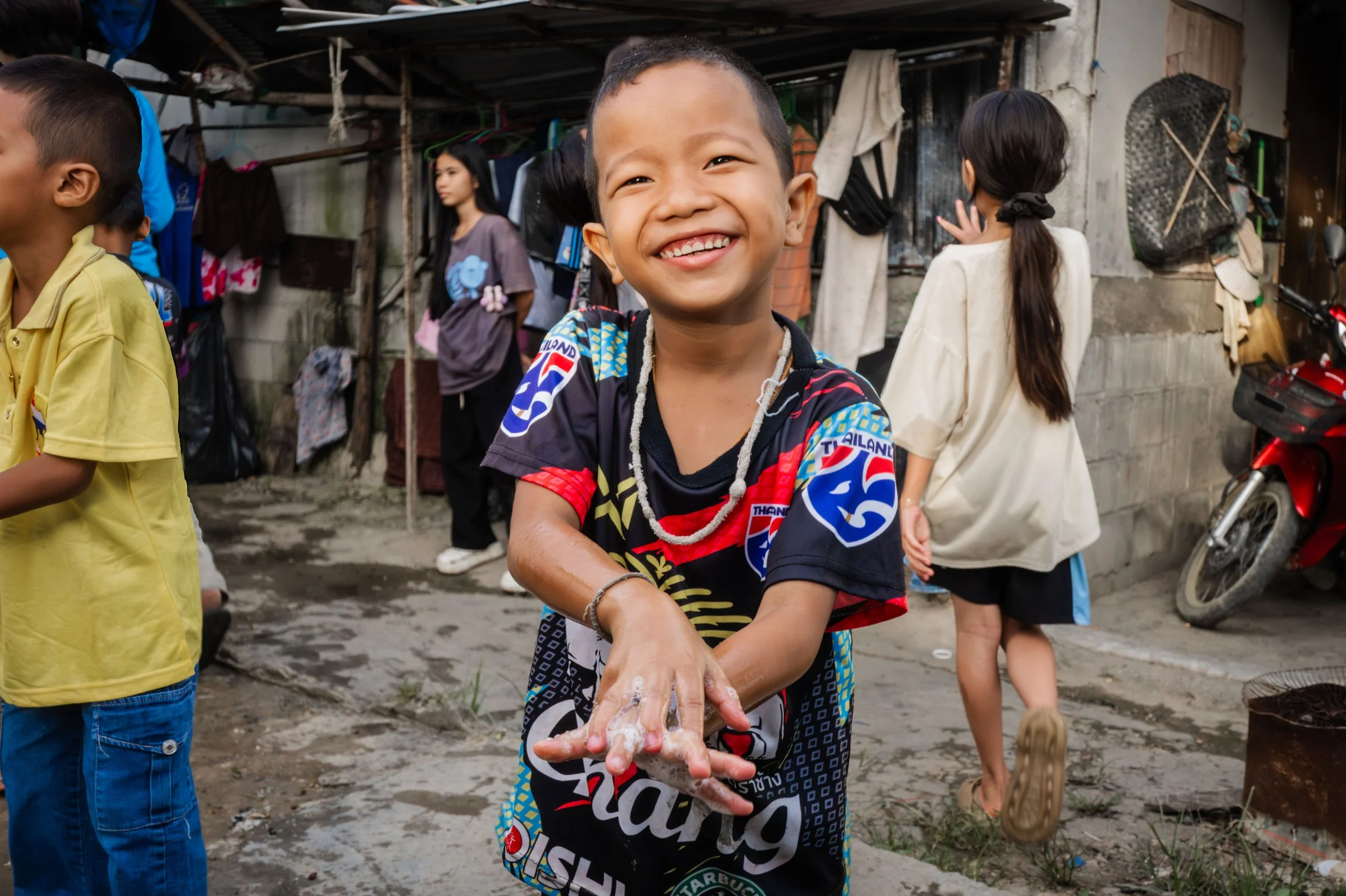
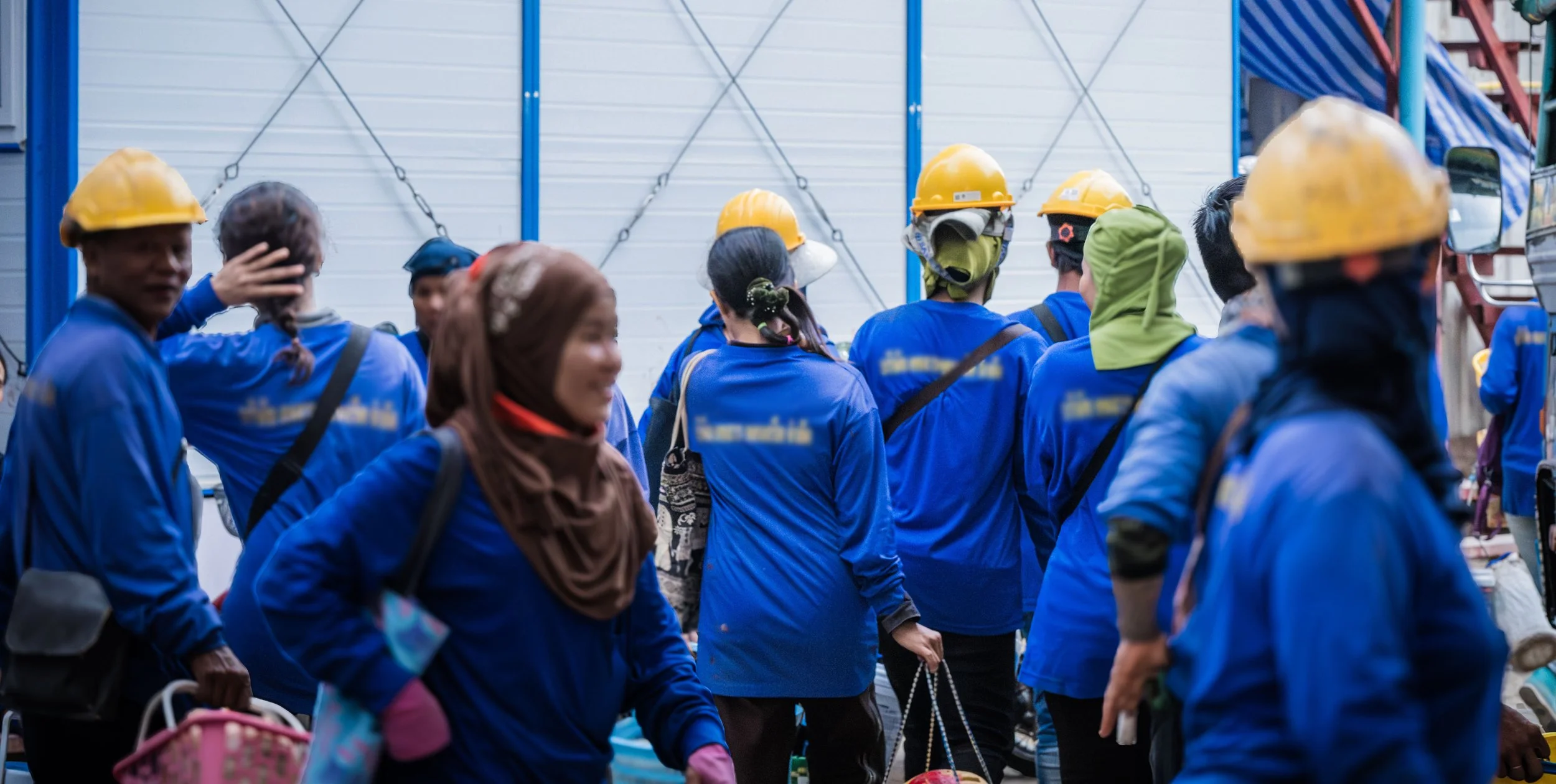
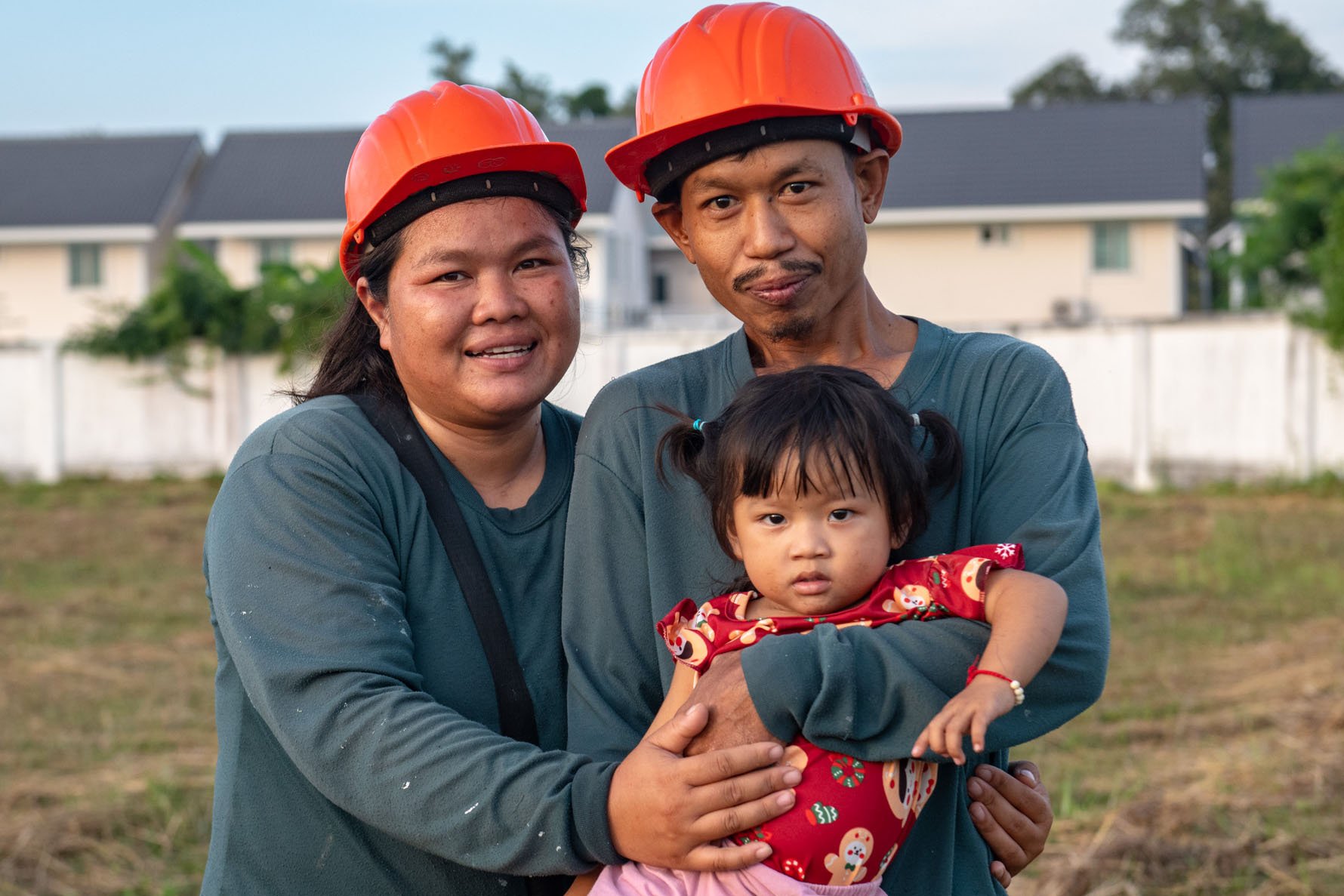
Thailand’s construction sector relies heavily on migrant labor to deliver public infrastructure, commercial developments and private housing projects that collectively support the country’s growth. An estimated 700,000 migrant workers, mainly from Myanmar and Cambodia, form the backbone of this workforce.(1) Alongside them, around 60,000 children live with their parents in construction camps across the country.(2)
While these workers and families play a critical role in Thailand’s economic development, they continue to face significant barriers in accessing health information, prevention services and healthcare. These gaps are not only a public health concern, they also have direct implications for productivity, safety and overall performance in the construction sector.
Documented gaps and barriers
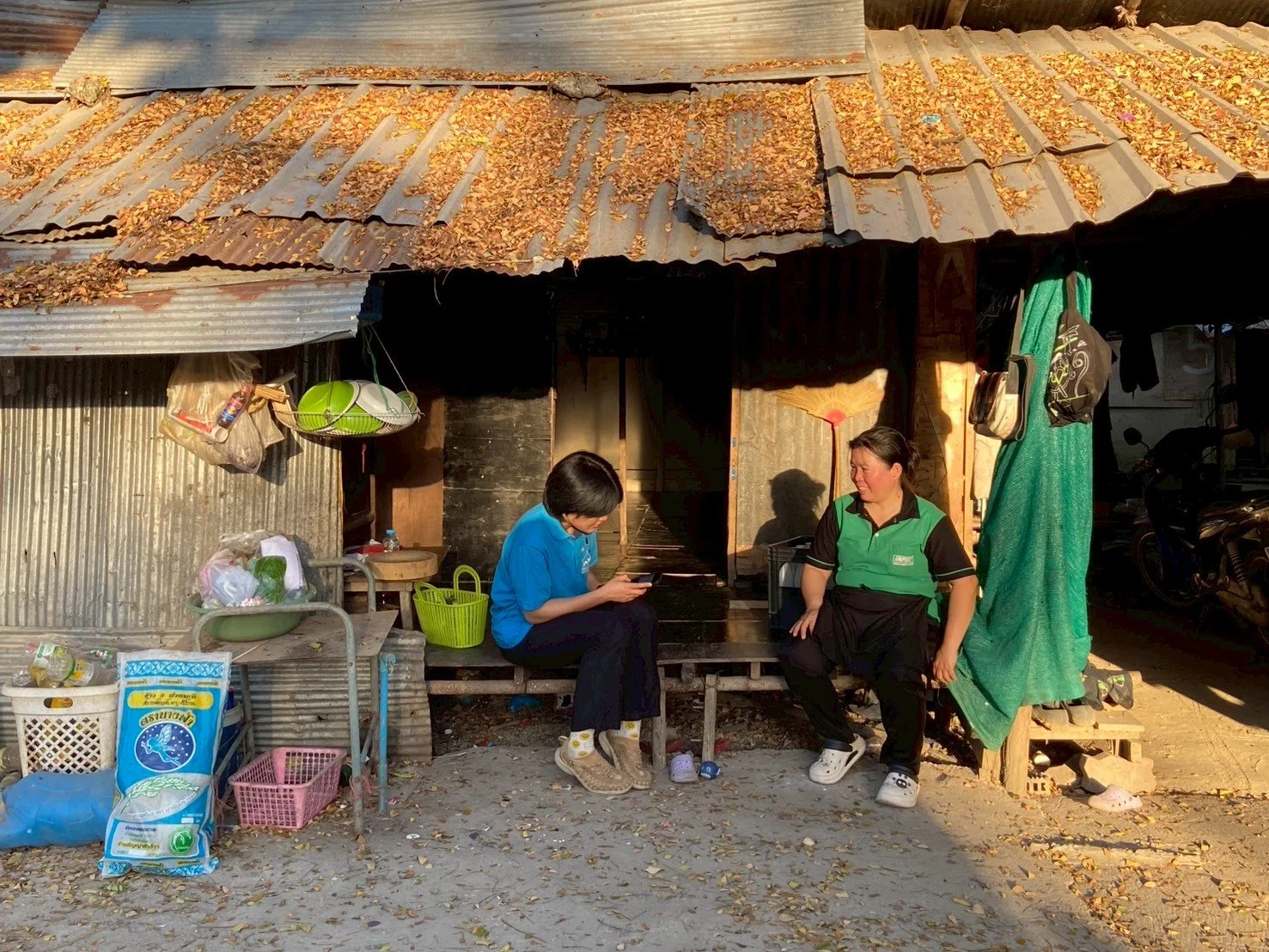
Two studies conducted by Baan Dek Foundation have highlighted the scale of gaps and challenges in access to health services for migrant workers and their children. One study was carried out in Chiang Mai with support from the Japanese Social Development Fund and the World Bank.(3) The second study was led by Chulalongkorn University with support from ThaiHealth Promotion Foundation.(4)
The findings reveal significant gaps in health literacy, including limited knowledge of medical rights, as well as barriers to accessing healthcare among migrant workers and their children living in construction camps. The surveys show that many workers experience difficulties in searching for health symptoms and understanding health information in Thai, while others are unsure when to seek medical care. For most workers, health information is accessed primarily through online and social media platforms rather than trusted health channels. In addition, a significant proportion of workers report having no health rights or insurance coverage. These constraints contribute to widespread self-medication and reliance on informal or traditional remedies, increasing the risk of delayed treatment and avoidable complications.
Why this matters for construction companies
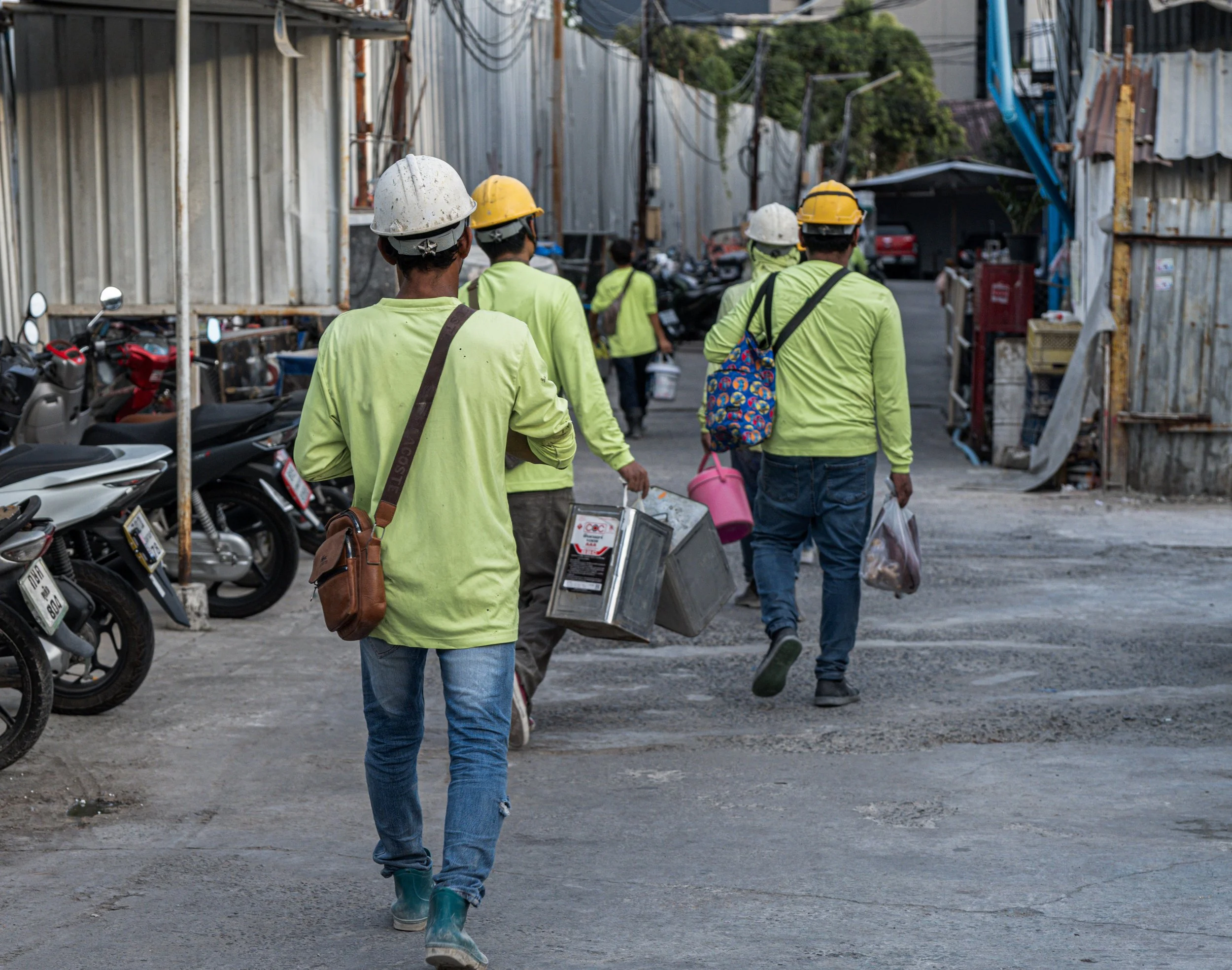
Gaps in access to health information and healthcare for migrant workers and their children translate for construction companies into concrete economic and operational risks. Low health literacy, delayed treatment and insufficient prevention contribute directly to absenteeism, reduced workforce availability, lower productivity, increased safety incidents on site, rework and project delays. Health, therefore, is not only a social responsibility issue, but also a core business concern that affects timelines, costs, overall project performance and ESG compliance.
In addition, there is strong momentum and incentives for construction companies to bridge these gaps, supported by an enabling national environment that advances Business and Human Rights principles and ESG reporting. Strengthened ESG reporting obligations for listed companies, anticipated legislation on mandatory human rights and environmental due diligence (mHREDD), and the Bank of Thailand’s launch of Thailand Taxonomy Phase II, which incorporates social safeguards into environmental investment frameworks, further demonstrate more ambitious expectations of companies.
An innovative response: the Health Focal Point model
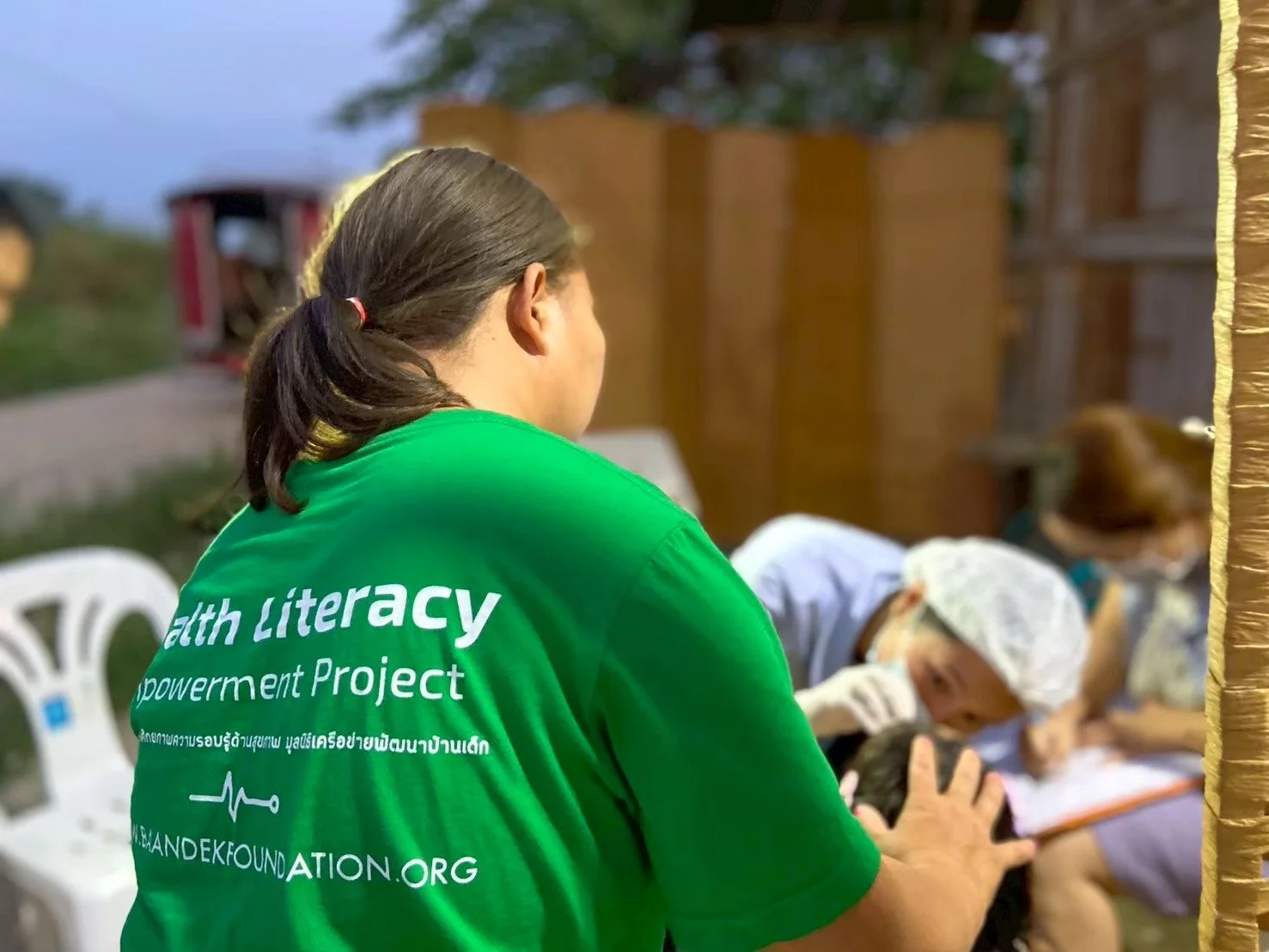
For more than 15 years, Baan Dek Foundation has worked alongside construction companies and construction workers communities to improve living conditions, protection, and access to health and education services in construction camps. To address the specific challenges related to access to health services, BDF piloted an innovative approach, the Health Focal Point (HFP) model, through its Health Literacy Empowerment Project.(5)
The model, which relies on volunteer-trained community focal points, is built around four complementary dimensions. It strengthens service delivery by improving access to, and referral toward, existing public health services. It promotes communicable disease prevention through early detection and preventive behaviours, and enhances health promotion by building health literacy through trusted community members. Finally, the model supports safer and more informed health-related choices among community members by strengthening their knowledge of their rights.
Several factors have been critical to the success of the model. Training materials were developed in a culturally contextualized way, with and for migrant workers, allowing HFPs to reuse them directly within their camps. The model aligns closely with Thailand’s public health system, including the Ministry of Public Health’s Village Health Volunteer approach, and contributes directly to the Ministry’s mandate to ensure inclusive and equitable healthcare, avoiding duplication and enabling easier scale-up. It is also adapted to the operational realities of construction camps, taking into account workers’ time constraints, literacy levels, mobility and the capacity of companies to integrate the model into their camp management practices.
Strong results and growing momentum
The HLEP project and related model resulted in clear improvements in health literacy and access to healthcare in targeted communities. Partner construction companies reported that the model was highly relevant for improving access to health services for their workforce and well aligned with their operational realities.
The HFP model has since generated strong interest across the construction sector. Several pioneer companies have already started adopting the approach, including the establishment of first-aid boxes within camps.
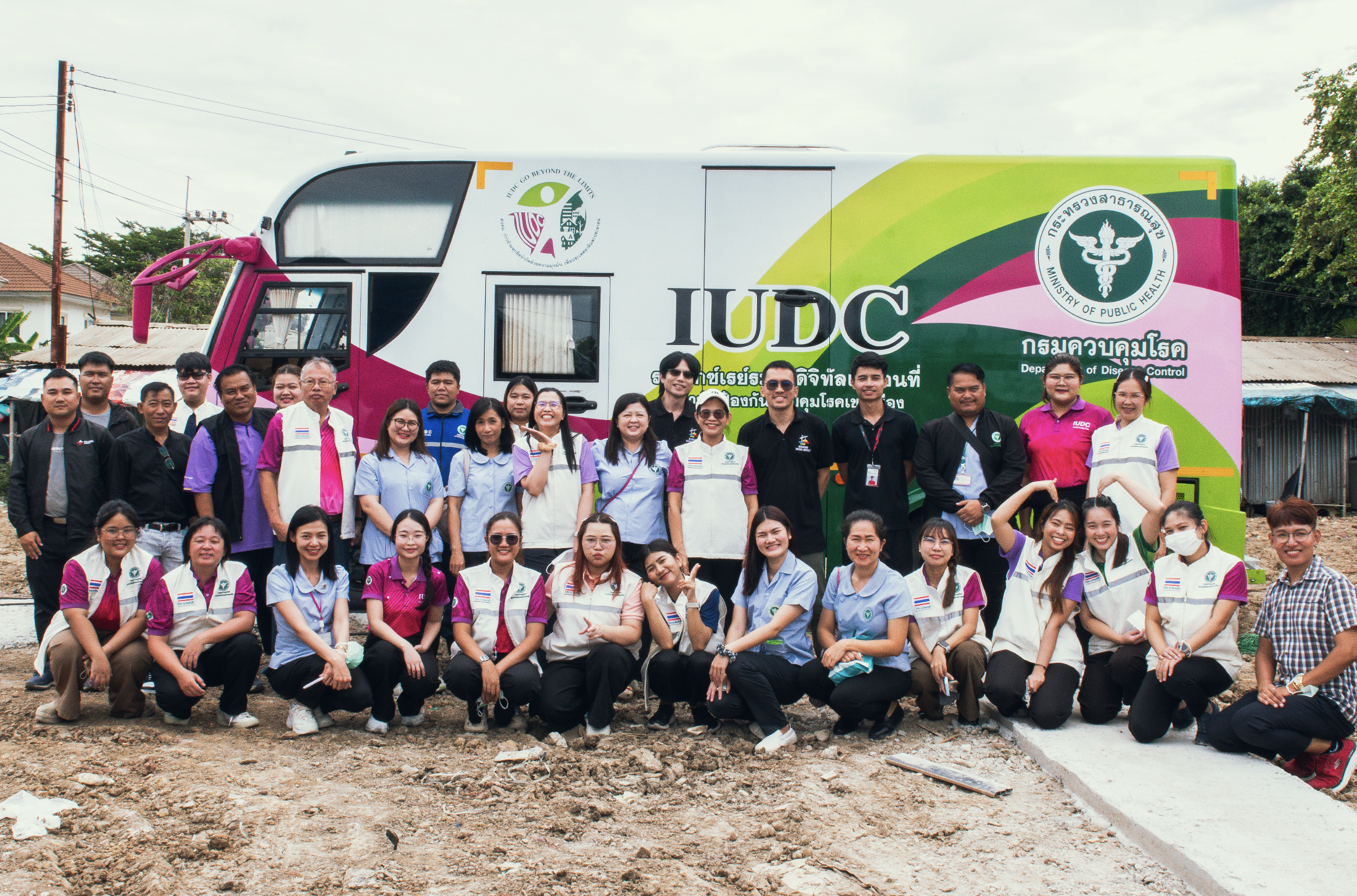
The model has also attracted the attention of public health authorities. This led to closer collaboration between HFPs and local public services, with services such as dental screening provided directly in communities, but also HFPs and Thai Village Health Volunteers(6) organizing preventive health campaigns in communities. In addition, leveraging synergies with BDF’s complementary projects, mobile health clinics were successfully piloted through partnerships between construction companies and the Department of Disease Control under the Ministry of Public Health.
A shared solution for people, business and society
The success of the HLEP project has laid a strong foundation for scaling up the HFP model across Thailand’s construction sector. It demonstrates that placing people at the centre of solutions, while fostering collaboration between civil society, public authorities and the private sector, can lead to practical and effective responses to complex challenges.
Improving access to health services for migrant workers and their children is not only essential, but also responds to existing needs. It strengthens workforce resilience, reduces operational risks and contributes to a healthier, more productive and more sustainable construction sector for Thailand as a whole.

What can construction companies do?
Construction companies play a key role in improving access to health services for migrant workers and their families living in construction site camps. Practical and achievable actions include:
Nominate and train Health Focal Points within camps to serve as trusted links between workers, communities and the public health system
Integrate health promotion and prevention into camp management practices, ensuring workers have access to clear, reliable and culturally appropriate health information
Collaborate with public health authorities to facilitate prevention activities, health visits and referrals directly in camps
Engage in sector-wide initiatives to share learning, strengthen standards and contribute to sustainable, scalable solutions
Baan Dek Foundation supports construction companies at every step of their social sustainability journey, from assessment and training to implementation and monitoring.
To learn more about the Health Focal Point model and how your company can get involved, contact Baan Dek Foundation.
Together, companies, communities and public institutions can build healthier camps, stronger workforces and a more sustainable construction sector.
(1) Foreign Workers Administration Office
(2) Baan Dek Foundation and UNICEF Thailand (2018), “Building Futures in Thailand: Support to Children Living in Construction Site Camps”
(3) Baan Dek Foundation (2024), “Building Bridges to Better Health Outcomes for Migrant Workers and Their Children in the Thai Construction Sector”
(4) Chulalongkorn University (2026), Data Collection and Analysis of Health Literacy among Migrant Populations in the Construction Sector and Health Literate Organizations. [Unpublished survey] A link will be added once the survey is publicly available.
(5) In March 2024, BDF launched the Health Literacy Empowerment Project (HLEP), developing a sustainable and scalable peer-to-peer model, utilizing trained Health Focal Points (HFPs) in construction site camps in Chiang Mai, establishing connections with construction companies and public healthcare providers while empowering communities to facilitate access to health services.
(6) Each sub-district local government oversees a group of Thai Village Health Volunteers. They collaborate closely with Sub-District Health Promotion Hospitals, and conduct prevention campaigns (including on communicable diseases) and training on specific topics They also monitor the sub-district population's special medical support needs, such as disabled people.
*The project discussed in this publication has been supported by the Global Development Network (GDN) and the Ministry of Finance, Government of Japan under the Global Development Awards Competition. The views expressed in this article are not necessarily those of GDN or Ministry of Finance, Government of Japan